

Breast Augmentation in Royal Oak, MI
Serving Metro Detroit & Michigan For Over 30 Years
At Chau Plastic Surgery. we strive to provide you with the best results. We will take the time to discuss all the options available to you so you can make an informed decision that best fits with your goals.

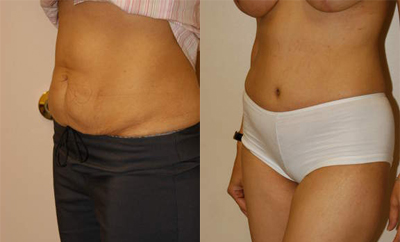
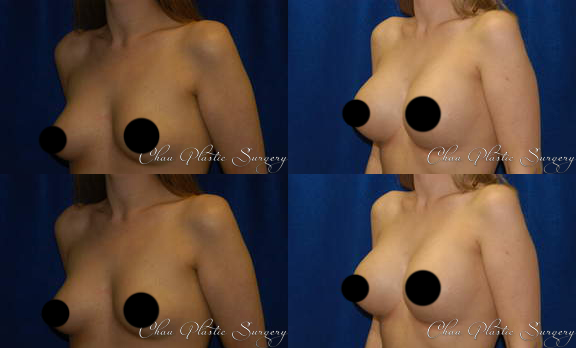
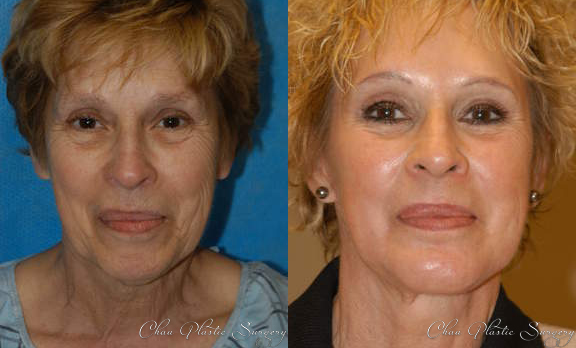
Breast Augmentation in Royal Oak MI at Chau Plastic Surgery
Key Takeaways
- Chau Plastic Surgery offers breast augmentation for Royal Oak, MI area patients who want to enhance breast size, improve breast shape, correct asymmetry, and create more balanced body proportions.
- Breast augmentation involves various implant types and placement options, including saline implants and silicone gel implants, with implant placement customized above or below the pectoral muscle based on anatomy and goals.
- Common reasons many women choose breast augmentation include restoring volume after pregnancy or breastfeeding, increasing breast size by one or more cup sizes, correcting asymmetrical breast sizes, and enhancing naturally small breasts.
- Pricing varies based on implant type, incision placement, surgical technique, anesthesia, facility fees, and the individual surgical plan; Royal Oak patients can schedule a breast augmentation consultation for a personalized quote.
Introduction to Breast Augmentation in Royal Oak
Breast augmentation is one of the most popular cosmetic surgeries in the U.S. and is designed to enhance breast size, breast shape, symmetry, and overall body proportion using breast implants. For patients in Royal Oak, this cosmetic procedure can help create a fuller, more balanced figure while supporting renewed self confidence.
At Chau Plastic Surgery, breast augmentation surgery is personalized for each patient’s anatomy and goals. Some patients want a subtle increase in volume, while others want to increase breast size by one or more cup sizes. Many women seek breast augmentation after pregnancy, breastfeeding, weight changes, or natural breast development that left them with less volume than they prefer.
Chau Plastic Surgery serves Royal Oak and the greater Detroit, MI area with customized breast enhancement solutions. Patients also visit from nearby communities such as Troy, West Bloomfield, and Bloomfield Hills for plastic surgery focused on natural beauty, proportion, and safety.
It is also important to distinguish cosmetic breast augmentation from breast reconstruction. Breast augmentation is typically performed to enhance appearance, improve symmetry, or restore lost volume, while reconstruction is often performed after cancer treatment or trauma. Both require thoughtful surgical planning, but the goals and treatment pathways differ.
A successful result starts with realistic expectations. Breast implants can improve size and shape, but final results take time to settle, swelling can last for weeks to months, and breast implants may require future replacement procedures. During consultation, the surgeon will explain the benefits, limits, risks, and recovery process so patients can feel comfortable making an informed decision.
Why Choose Breast Augmentation at Chau Plastic Surgery
Royal Oak patients choose Chau Plastic Surgery because the practice combines surgical expertise, individualized planning, and a patient-focused approach to cosmetic surgery. Breast augmentation is not a one-size-fits-all procedure; the best implant type, size, placement, and incision placement depend on breast tissue, chest width, skin quality, lifestyle, and desired outcome.
Choosing a board certified plastic surgeon minimizes risks and ensures quality results. The surgeon should be board-certified by the American Board of Plastic Surgery, and surgery must be performed in an accredited facility, recognized by AAAASF or AAAHC. These standards matter because breast augmentation surgery involves anesthesia, sterile technique, implant handling, and careful post-operative monitoring.
At Chau Plastic Surgery, the breast augmentation consultation includes a detailed review of goals, medical history, breast measurements, breast tissue characteristics, and implant options. The surgeon will explain how saline and silicone gel implants differ, how implant placement affects the final breast shape, and how incision placement influences scarring.
Patients benefit from advanced surgical technique designed to create natural-looking results with minimal visible scarring. Incision techniques include inframammary, periareolar, and transaxillary. The inframammary incision is placed in the breast crease, the periareolar incision is placed around the areola, and the transaxillary incision is placed in the underarm area.
Chau Plastic Surgery also focuses on safety, comfort, and support throughout the entire process. From pre-operative planning to post-operative appointments, patients receive clear instructions about preparation, activity restrictions, pain management, swelling, bruising, and when to contact the office.
Key reasons Royal Oak patients choose Chau Plastic Surgery include:
- Board certified plastic surgeon expertise in breast enhancement
- Personalized implant type, size, and placement recommendations
- FDA-approved breast implants, including silicone implants and saline implants
- Careful incision placement to reduce visible scarring
- Detailed pre-operative and post-operative care guidance
- Convenient access for Royal Oak patients in the Detroit, MI area
- A focus on natural beauty, balanced proportions, and patient confidence
Breast augmentation typically lasts one to two hours and is typically performed under general anesthesia. Depending on the patient’s anatomy and goals, breast implants can be placed submuscular or subglandular based on individual needs.
Am I a Good Candidate for Breast Augmentation?
Before scheduling breast augmentation surgery, it helps to understand whether the procedure may be appropriate for your goals, health, and lifestyle. This section offers general guidance, but candidacy can only be confirmed during an in-person breast augmentation consultation at Chau Plastic Surgery.
Ideal candidates for breast augmentation typically share these characteristics:
| Candidate Criteria | Description |
|---|---|
| Age | At least 18 for saline implants and at least 22 for silicone gel implants under FDA guidelines |
| Breast development | Breast development should be completed before surgery |
| Stable weight | A stable weight helps preserve breast shape and long-term results |
| Physical health | Patients should be in good health without uncontrolled medical conditions or active infection |
| Nicotine use | Non-smokers or patients willing to stop nicotine before and after surgery generally heal better |
| Expectations | Realistic expectations about implant size, recovery, scarring, and final results are essential |
| Post-operative commitment | Patients must follow activity restrictions, attend appointments, and care for incisions properly |
Good candidates may want to increase breast size, correct asymmetrical breast sizes, improve body proportions, or restore breast volume after pregnancy or breastfeeding. Some patients may also need a breast lift if the nipple sits low, the skin has stretched, or breast tissue has sagged beyond what implants alone can correct.
Physical health matters because breast augmentation is surgery. Patients should disclose all medications, supplements, previous procedures, medical conditions, and any history of complications with anesthesia. The surgeon will also evaluate breast tissue thickness, skin elasticity, chest shape, and existing breast asymmetry.
Patients should understand that breast implants improve breast size and shape, but they do not stop aging, prevent future sagging, or guarantee perfect symmetry. Poor aesthetic results can occur following breast augmentation, which is why careful planning, appropriate implant selection, and a qualified surgeon are so important.
Non-smoking status and a commitment to post-operative care help reduce risks such as delayed healing, infection, and poor scarring. Most patients feel tired and sore for a few days after surgery, and full recovery can take several weeks after breast augmentation.
Breast Implant Options for Royal Oak Patients
Breast augmentation involves various implant types and placement options. At Chau Plastic Surgery, the goal is to help each Royal Oak patient choose breast implants that match their body, lifestyle, breast tissue, and desired appearance.
The two main implant fill options are saline and silicone gel:
| Implant Type | Key Features |
|---|---|
| Saline implants | Saline implants are filled with salt water. They are often less expensive than silicone implants, and if a saline implant ruptures, the breast usually deflates noticeably. |
| Silicone gel implants | Silicone implants feel softer and more natural than saline implants. Silicone implants are FDA-approved for breast augmentation, and silicone breast implants were FDA approved for augmentation in 2006. |
| Gummy bear implants | Gummy bear implants are cohesive silicone gel implants that maintain their shape even if the shell breaks. |
Saline implants can be a good option for patients who want a lower-cost implant type or prefer the reassurance that rupture is usually easy to detect. Silicone gel implants are popular because they often feel more like natural breast tissue, especially in patients with thinner tissue coverage.
Size and shape also matter. Breast implants come in many volumes, and patients may choose a subtle enhancement or a more noticeable increase of one or more cup sizes. Round implants often add fullness to the upper breast, while teardrop or anatomical shapes can create a more sloped contour in select patients.
Implant surface and profile can also influence the result. Smooth implants are commonly used in cosmetic breast augmentation, while textured implants have received greater scrutiny because BIA-ALCL is a rare risk associated with breast implants, particularly certain textured devices. FDA mandates disclosure of specific risks associated with breast augmentation, and these risks should be reviewed before surgery.
Implant selection affects the surgical approach and final appearance. A patient with thin breast tissue may need a different placement than a patient with more natural coverage. A patient seeking subtle natural beauty may need a different implant profile than someone seeking a fuller, more dramatic breast shape.
In some cases, fat grafting may be discussed as a complementary treatment for contour refinement, although breast implants remain the primary method for increasing breast size in augmentation. If significant sagging is present, a breast lift may be recommended along with implants.
How Breast Augmentation Surgery Works
Breast augmentation surgery follows a carefully planned sequence from consultation to completion. The process begins well before the operating room, with implant selection, breast measurements, incision planning, and a complete review of safety instructions.
Step 1: Pre-Operative Planning
Before surgery, the surgeon evaluates breast tissue, chest width, skin quality, nipple position, areola size, and existing asymmetry. Pre-operative photos may be taken, and the patient’s desired breast size and shape are reviewed. The surgical plan includes implant type, implant placement, incision placement, and whether any additional procedure such as a breast lift is needed.
Patients receive instructions about medications, supplements, eating and drinking before surgery, nicotine avoidance, transportation, and home recovery preparation. Because general anesthesia is typically used, patients must follow fasting instructions carefully.
Step 2: Marking and Incision Placement
On the day of surgery, the surgeon makes final markings while the patient is upright. These markings guide implant position, breast crease alignment, and symmetry.
Incision techniques include inframammary, periareolar, and transaxillary:
- Inframammary incision: Placed in the breast crease for direct access and controlled implant placement
- Periareolar incision: Placed around the areola where the scar may blend with the color transition near the nipple
- Transaxillary incision: Placed in the underarm area to avoid an incision directly on the breast
A navel incision is not a standard approach for most modern implant-based breast augmentation plans, and Chau Plastic Surgery will recommend the incision that best supports safety and predictable results.
Step 3: Anesthesia and Implant Pocket Creation
Breast augmentation is typically performed under general anesthesia. Once the patient is safely asleep and monitored, the surgeon creates a pocket for the implant.
Implants can be placed submuscular or subglandular based on individual needs:
- Submuscular placement: The implant is placed partially or fully beneath the pectoral muscle for added coverage
- Subglandular placement: The implant is placed above the pectoral muscle and beneath the breast tissue
The best placement depends on tissue thickness, chest anatomy, implant type, activity level, and the desired final breast shape.
Step 4: Implant Placement and Closure
After the pocket is created, the breast implants are inserted and adjusted for symmetry. The surgeon checks implant position, contour, and balance before closing the incisions.
Closure techniques may include layered sutures, internal stitches, skin adhesive, or external stitches depending on the incision and surgical plan. Stitches are typically removed 7 to 10 days after surgery if non-absorbable sutures are used.
Dressings, gauze, and a surgical bra or compression support are applied immediately after surgery to help manage swelling, support the implants, and protect the incisions.
Breast augmentation typically lasts one to two hours, though the surgery may take longer if combined with a breast lift, revision procedure, or additional treatment.
What to Expect During Your Royal Oak Breast Augmentation
Knowing what happens on surgery day can help patients feel more comfortable and prepared. Chau Plastic Surgery provides detailed instructions before the appointment so Royal Oak patients know when to arrive, what to wear, and how to plan for transportation and recovery.
Typical day-of-surgery timeline:
| Stage | What Happens |
|---|---|
| Arrival and check-in | The patient checks in, reviews paperwork, and meets with the surgical team |
| Final preparation | The surgeon confirms the plan, takes final measurements, and marks the breast and chest |
| Pre-operative photos | Photos may be taken for documentation and surgical planning |
| Anesthesia | General anesthesia is administered, and the patient is monitored throughout surgery |
| Surgery | Incisions are made, implant pockets are created, breast implants are placed, and symmetry is checked |
| Closure and dressing | Incisions are closed with stitches or layered closure, and dressings or a surgical bra are applied |
| Recovery room | The patient wakes under supervision while vital signs, comfort, and early healing are monitored |
| Discharge | The patient goes home the same day with a responsible adult and written recovery instructions |
Patients should wear loose, comfortable clothing that opens in the front. A button-up or zip-up top is easier to put on after surgery because arm movement may be limited during the first few weeks.
During surgery, the surgeon creates the planned incision, forms the implant pocket, places the implant, checks the breast shape, and makes adjustments to improve balance. Careful surgical technique is used to reduce trauma, support symmetry, and minimize visible scarring.
Immediate post-operative care focuses on comfort, monitoring, and safety. Patients may experience tightness, pressure, swelling, bruising, and pain in the chest. Sensation changes in the nipple or breast skin are common after surgery, and sensitivity may increase, decrease, or feel temporarily unusual as tissues heal.
Patients must arrange transportation home. Because anesthesia affects coordination and judgment, patients should not drive themselves after surgery. It is also important to have a responsible adult available during the initial recovery period.
Recovery and Results After Breast Augmentation
Recovery after breast augmentation varies from patient to patient, but most patients follow a predictable healing pattern. The first few weeks are focused on rest, swelling control, incision care, and gradual return to normal routines.
Recovery timeline after breast augmentation:
| Timeframe | What to Expect |
|---|---|
| First 24–72 hours | Tiredness, soreness, tightness, swelling, bruising, and chest pressure are common |
| Days 3–5 | Discomfort often begins improving; light walking is encouraged |
| Days 7–10 | Stitches are typically removed 7 to 10 days after surgery if needed |
| Week 1 | Many patients return to work within one week post-surgery if they have desk-based jobs |
| Weeks 2–3 | Swelling and bruising continue to improve; activity remains limited |
| Weeks 4–6 | Many normal routines resume gradually with surgeon approval |
| Several weeks | Full recovery can take several weeks after breast augmentation |
| Several months | Visible results may take several months as swelling subsides and implants settle |
| 3–6 months | Final results become more apparent as breast shape softens and implants settle into position |
Most patients feel tired and sore for a few days. Pain is typically managed with prescribed or recommended medication, rest, and proper support garments. Sleeping on the back with the upper body slightly elevated may help reduce swelling and improve comfort.
Post-operative appointments allow the surgeon to check incisions, monitor swelling, evaluate implant position, and answer questions. Patients should follow all instructions about showering, bra use, scar care, medication, and activity.
Activity restrictions are important. Patients should avoid heavy lifting, strenuous exercise, chest workouts, and raising the arms excessively during early recovery. Returning too quickly to physical activity may increase swelling, discomfort, or complications.
Normal healing signs include mild to moderate swelling, bruising, tightness, temporary numbness, and changes in sensitivity. Patients should contact Chau Plastic Surgery promptly for concerning symptoms such as sudden severe pain, one-sided swelling, fever, spreading redness, drainage, shortness of breath, or signs of hematoma. Hematoma is a possible complication after breast augmentation surgery and requires timely evaluation.
Maintaining Your Breast Augmentation Results
Long-term results depend on implant care, breast health monitoring, lifestyle habits, and regular follow-up. Breast implants can provide long-lasting improvement, but they are not lifetime devices.
Breast implants generally last about 10 to 15 years before needing replacement, although some patients keep implants longer and others need revision earlier. Breast implants may require future replacement procedures because of rupture, capsular contracture, implant shifting, personal preference, or natural changes in breast tissue and skin over time.
Key ways to maintain breast augmentation results:
- Maintain a stable weight to reduce stretching of breast skin
- Wear supportive bras, especially during exercise
- Avoid smoking to support tissue health and healing
- Follow breast cancer screening recommendations
- Attend follow-up appointments as advised
- Monitor for changes in breast shape, firmness, pain, or implant position
Mammograms remain important after breast augmentation. Patients should tell the imaging center they have breast implants so specialized views can be used. Breast implants may affect mammogram technique, but screening can still be performed with proper positioning.
Silicone gel implant patients may need imaging such as ultrasound or MRI to evaluate for silent rupture. Saline rupture is usually more obvious because the breast typically deflates as the salt water is absorbed by the body.
Lifestyle changes can affect results. Significant weight gain, weight loss, pregnancy, and breastfeeding can change breast tissue, skin elasticity, and breast position. Some patients may later choose implant exchange, revision surgery, or a breast lift to address aging or tissue changes.
Patients should also understand long-term risks. Capsular contracture, implant rupture, infection, and poor aesthetic results can occur following breast augmentation. BIA-ALCL is a rare risk associated with breast implants, and any persistent swelling, new breast fluid, lumps, or unusual changes should be evaluated.
Cost of Breast Augmentation in Royal Oak at Chau Plastic Surgery
Breast augmentation pricing for Royal Oak area patients is personalized because each surgical plan is different. Implant type, placement, incision, anesthesia, facility requirements, and post-operative care all influence the final cost.
Factors that influence breast augmentation cost:
| Cost Variable | Impact on Price |
|---|---|
| Implant type | Saline implants are often less expensive than silicone implants |
| Silicone gel options | Silicone gel, cohesive gel, or gummy bear implants may cost more because of materials and manufacturing |
| Implant placement | Submuscular or subglandular placement may differ in surgical complexity |
| Incision placement | Inframammary, periareolar, or transaxillary approaches may affect operative planning |
| Anesthesia | General anesthesia adds anesthesia provider and monitoring costs |
| Facility fees | Surgery must be performed in an accredited facility, recognized by AAAASF or AAAHC |
| Combined procedures | Adding a breast lift or other treatment increases total cost |
| Post-operative care | Garments, appointments, medications, and follow-up needs may be included or itemized |
Because breast augmentation involves various implant types and placement options, an accurate quote requires an in-person consultation. The surgeon must evaluate breast tissue, skin, chest anatomy, breast shape, and goals before recommending a safe and appropriate plan.
Additional costs may include anesthesia fees, surgical facility fees, pre-operative testing, post-operative garments, prescriptions, and future imaging or implant monitoring. Patients should also consider the possibility of future replacement procedures, since implants are not lifetime devices.
Chau Plastic Surgery can discuss available payment plans and financing options during the consultation process. The goal is transparent, individualized pricing so patients understand what is included before scheduling surgery.
Your Breast Augmentation Consultation at Chau Plastic Surgery
The breast augmentation consultation is the most important planning step for Royal Oak patients. This appointment allows the surgeon to learn about your goals, evaluate your anatomy, explain options, and build a surgical plan that supports safe, natural-looking results.
What happens during your consultation:
- Medical history review: The surgeon reviews health conditions, medications, allergies, previous surgery, pregnancy history, breastfeeding history, nicotine use, and prior breast concerns.
- Physical examination: Breast tissue, skin elasticity, nipple position, areola size, chest width, asymmetry, and overall body proportions are evaluated.
- Goal discussion: Patients explain their desired breast size, shape, fullness, and level of enhancement.
- Implant selection: Saline implants, silicone gel implants, gummy bear implants, implant profile, and implant volume are discussed.
- Placement planning: The surgeon explains whether submuscular or subglandular implant placement is best suited to the patient’s needs.
- Incision planning: Inframammary, periareolar, and transaxillary incisions are reviewed, including scar location and visibility.
- Risk discussion: FDA mandates disclosure of specific risks associated with breast augmentation, including capsular contracture, infection, rupture, sensation changes, and rare risks such as BIA-ALCL.
Sizing tools may be used to help patients preview potential results. Patients may try implant sizers with a bra or review visual examples to understand how different volumes can affect breast shape and body balance. If available, digital imaging may also help guide expectations, though no preview can guarantee an exact final result.
The consultation also includes a discussion of recovery, time off work, activity restrictions, surgical timing, and cost. Patients are encouraged to ask questions about scarring, nipple sensitivity, breastfeeding, implant lifespan, complications, and what to expect during the first few weeks.
After the consultation, the next steps may include selecting an implant type, choosing a surgery date, completing pre-operative testing, arranging transportation, preparing the home recovery area, and scheduling post-operative appointments.
Chau Plastic Surgery prioritizes informed decision making. Patients should leave the appointment understanding the procedure, the expected recovery, the risks, and the customized plan designed for their body.
FAQ About Royal Oak Breast Augmentation at Chau Plastic Surgery
How long do breast implants last for Royal Oak patients?
Breast implants are not lifetime devices. Breast implants generally last about 10 to 15 years before needing replacement, although some patients keep implants longer and others may need revision sooner because of complications or changes in personal goals.
Replacement surgery might be necessary if there is implant rupture, capsular contracture, shifting, persistent pain, visible rippling, asymmetry, or dissatisfaction with breast size or shape. Implant rupture is a potential risk of breast augmentation, and the signs differ by implant type. Saline implants usually deflate visibly, while silicone gel implant rupture may be less obvious without imaging.
Manufacturer warranty information depends on the implant brand and device selected. During consultation, Chau Plastic Surgery can explain general warranty considerations and what support may be available if an implant fails.
Patients should schedule an appointment if they notice sudden breast shape changes, new firmness, pain, swelling, or changes in the breast or chest that feel unusual.
Can I breastfeed after breast augmentation surgery?
Many women can breastfeed after breast augmentation, but the ability to nurse depends on individual anatomy, incision placement, implant placement, and whether milk ducts or nerves were affected during surgery.
Incision placement can matter. An inframammary incision in the breast crease may reduce direct disruption near the areola, while a periareolar incision around the areola may carry more risk of affecting ducts or nipple sensation in some patients. Transaxillary incisions are placed in the underarm and avoid a breast incision, but the best option depends on anatomy and surgical goals.
Implant placement may also influence breastfeeding. Submuscular placement under the pectoral muscle may place less direct pressure on breast tissue than subglandular placement in some patients, though both can be appropriate depending on individual needs.
Future pregnancy and breastfeeding can change breast size, skin elasticity, and final breast shape. Patients planning children soon may want to discuss timing with the surgeon before scheduling breast augmentation surgery.
Will breast augmentation leave visible scars?
All incisions create scars, but careful incision placement and proper scar care can help make scarring less visible over time. The surgeon will recommend the incision that best balances access, safety, implant placement, and cosmetic outcome.
Inframammary incisions are hidden in or near the breast crease. Periareolar incisions may blend with the border of the areola. Transaxillary incisions are placed in the underarm, which avoids a scar on the breast itself.
Scar appearance changes gradually. Early scars may look pink, firm, or raised, then typically soften and fade over several months. Full scar maturation can take a year or longer.
Patients can support healing by avoiding nicotine, protecting scars from sun exposure, following incision care instructions, wearing recommended support garments, and using scar products only when cleared by the surgeon.
How soon can I return to work after breast augmentation in Royal Oak?
Many patients return to work within one week post-surgery if their job is sedentary and does not require lifting, reaching, or physical exertion. Patients with more physically demanding jobs may need additional time off or modified duties.
During the first few weeks, patients should avoid heavy lifting, strenuous workouts, chest exercises, and sudden upper-body movements. Swelling, bruising, tightness, and soreness are expected early in recovery, and activity should increase gradually.
Patients who work in healthcare, childcare, fitness, warehouse roles, or other physical jobs should discuss job duties during the consultation. The surgeon can provide individualized guidance based on implant placement, surgical technique, and healing progress.
Recovery speed varies. Some patients feel comfortable returning to light routines quickly, while others need more rest. Following post-operative instructions helps reduce complications and supports the best final results.
What are the risks of breast augmentation surgery?
Breast augmentation risks include capsular contracture and infection. Other possible complications include implant rupture, hematoma, bleeding, asymmetry, implant malposition, rippling, changes in nipple or breast skin sensitivity, pain, poor scarring, anesthesia risks, and poor aesthetic results.
Sensation changes in the nipple or breast skin are common after surgery and may be temporary or, less commonly, long lasting. BIA-ALCL is a rare risk associated with breast implants, especially certain textured implants. FDA mandates disclosure of specific risks associated with breast augmentation so patients understand both short-term and long-term considerations.
Chau Plastic Surgery minimizes risk through careful patient selection, detailed planning, sterile surgical technique, use of FDA-approved devices, accredited facility standards, and attentive post-operative care. Choosing a board-certified plastic surgeon is one of the most important steps patients can take to support safety and quality results.
Patients should seek immediate medical attention or contact Chau Plastic Surgery if they experience severe worsening pain, sudden one-sided swelling, fever, spreading redness, heavy bleeding, shortness of breath, chest pain, or other concerning symptoms after surgery.
Breast augmentation in Royal Oak MI at Chau Plastic Surgery is designed for patients who want fuller, more balanced, natural-looking breasts with a plan tailored to their body and goals. With personalized implant selection, careful surgical planning, and attentive follow-up care, Chau Plastic Surgery helps patients make informed decisions and feel confident throughout the process.
To learn whether breast augmentation is right for you, schedule a private consultation with Chau Plastic Surgery and take the next step toward your desired breast shape and renewed self confidence.